NatureCulture® 2026 Poetry Award Winners:
First Place: erin feldman, “Kissing Earth is Like”
Second Place: Joan Hofmann, “Go On”
Third Place: Hiram Larew, “Walk Morning”
Fourth Place: Laura Rodley, “Begin the Morning”
The 2027 Award will be accepting submissions beginning in March 2027, please check back then.
A video of our 2026 reading will be available on our Youtube Channel. Please subscribe to be notified when our new videos go up (only about 6 per year, so you won’t get too many notifications, and can unsubscribe at any time. Another way to keep in touch is the newsletter, which comes out about every other month, and again, can be unsubscribed anytime—-we hope you’ll stay in touch!
Read what CMarie Fuhrman had to say about the winning poem “Kissing Earth Is Like” by erin feldman
I chose "Kissing Earth is Like" because it pulse-checks the reader from the very first line. It does not treat land as a distant, pastoral postcard; instead this poem treats Earth as a lover, a mirror, a sovereign body. In the work that I am most drawn to, there is a confluence when the human form and the landscape become indistinguishable, and this poem navigates that merging with brilliant sensory precision.
Kissing Earth Is Like
by erin feldman
wetting my hot-flash parched throat.
Like waking up in the salsa of sensitive
limbs through a warm, summer lake.
Like a moan rodeo full of bound, bucking stock
kicking to be free. Ignition.
Shimmying between starving and stuffed,
moaning into a delicious mushroom
that moans back.
Picture an hourglass of sensation, panting and slick,
tinkling like a rain stick’s symphony over
tight leather pants that groan to stretch.
It’s like laying the last piece of the puzzle
we’ve built for weeks of winter. Kissing earth is
sipping sage and skullcap infusions.
It’s a ripe peach
gnawed off the pit to unleash a drenched
column of sweetness trickling down my chin.
Like realizing I am homesick for a home
I’m already at home in.
Each goosebump comes up individually
from wet friction and huffed chuckles covering
pangs of awe-soaked need.
From infinity outwards, prismatic and vast
the wants of pulse
beat tender and steady and
all that separates us is that brief pause between pulses.
The jaded and starved flow my tongue has found kissing earth—
like rain meeting
the river with glad splashing.
Kissing earth is to
trust in parched throats quenched.
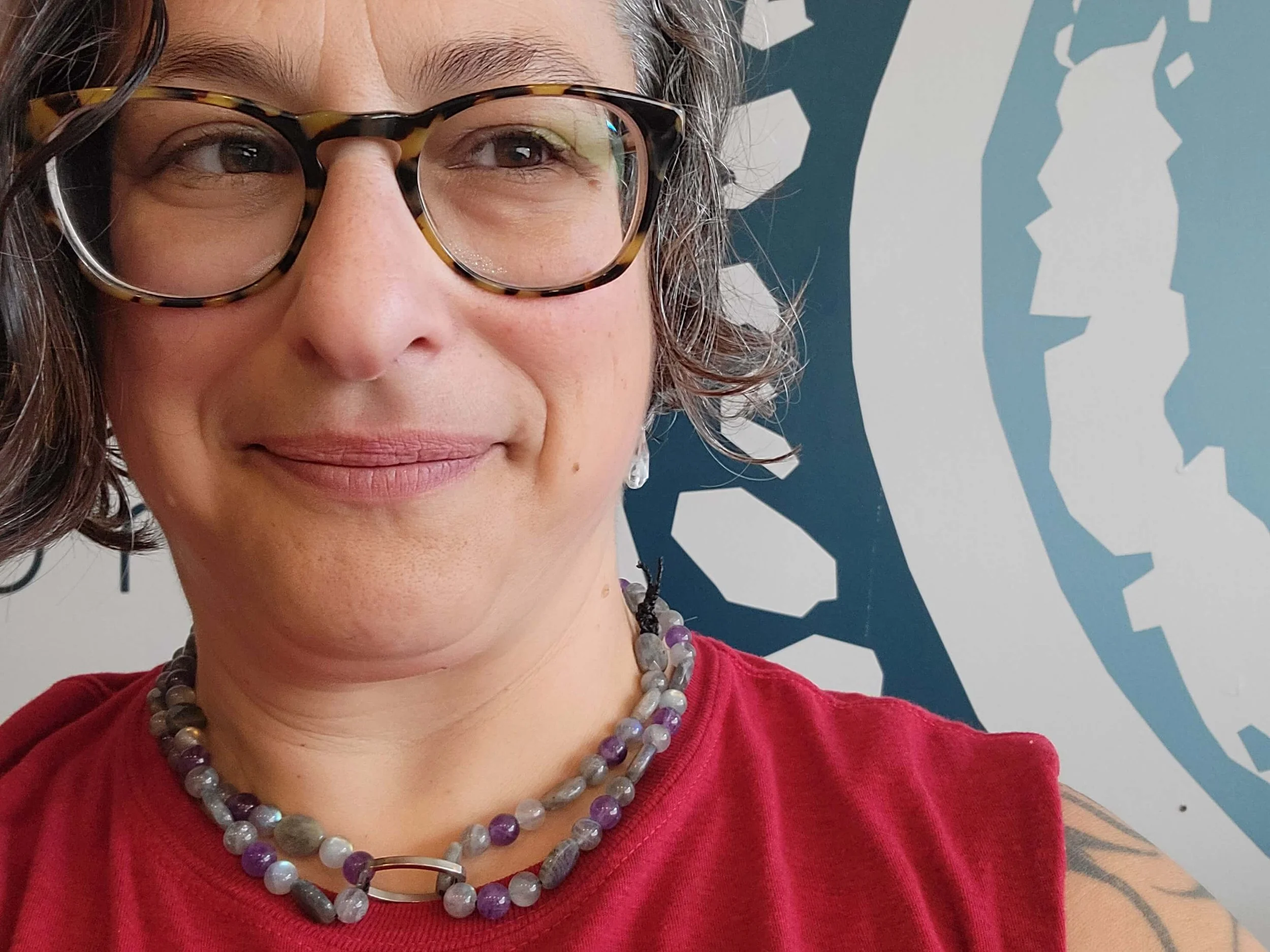
About erin feldman:
With one foot in the dictionary and the other outside in the weather, erin feldman has been honing her craft as a writing coach, classroom & adventure educator, and citizen scholar since the late 1900’s. erin’s work explores her fascination with the human condition and the brightshiny and darkshadowy ways we all express our journey within and without. Follow along: @lady_erf, strategiceloquence.com
Go On
by Joan Hofmann
Run as wind against the lichen
crushing its furls flat. Run as though
there’s no stopping. Run like sap
at the cut of limb on the pine,
sap from maples slurping
in February cold. Run steadfast,
salmons’ upstream fate to return
to birthplace to spawn, pass on.
Run the clock to hold advantage.
Run the lines of wildfire, bare
mineral soil, rock outcrop, creek.
Run like birdsong and wind chimes,
riding hidden in pockets of air.
Run fingers through curly long hair,
raining pheromones all around.
Run raccoons away from the pond
to protect the koi whose fins
flutter translucent. Run river, flow
fast from mountain to threshold.
Run water on the child’s head
to cool fever, on the elder’s wrist
warding off faintness and vertigo.
Run notes, rifts, scales high and low
across frets for beat and melody.
Run vining ivy, clematis, wisteria
blanketing trellis and pergola,
ornamental pear as espalier
flattened on lattice veiling a wall.
Run frantic and festive, to keep up
with bees’ busy honey-making.
Run like migrating caribou fleeing
wolves preying on weakness.
Run like sand through fingers
and dismantle the mandala jar,
wrap it in silk to transport it
to the river, knowing all is transition.
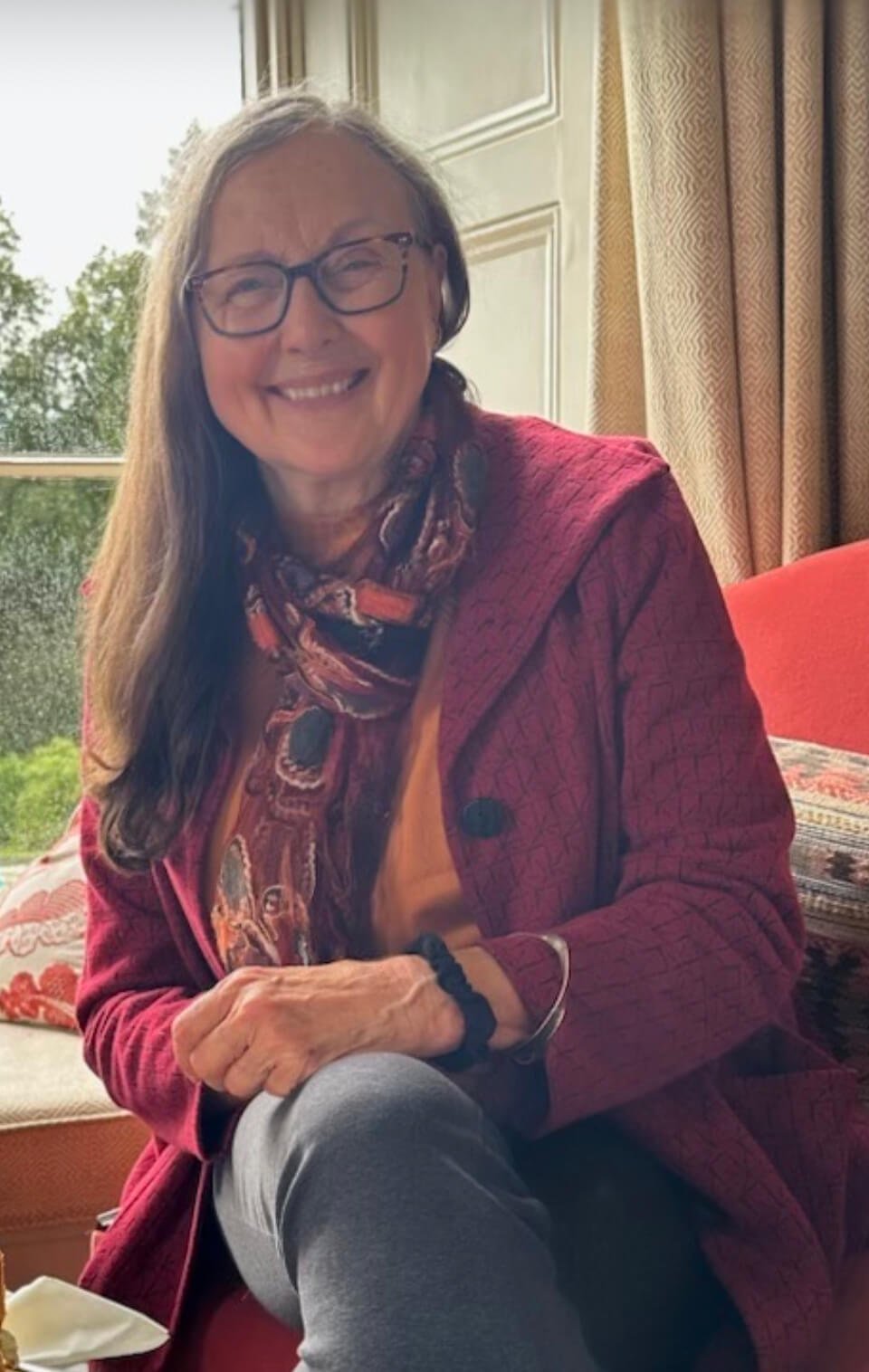
About Joan Hofmann:
Joan Hofmann is Professor Emerita at University of Saint Joseph in Connecticut, where she taught and directed the Academy for Young Writers for many years. She has served on the Board of the Connecticut Poetry Society, and was the inaugural Poet Laureate of Canton, CT. She serves on the boards of Riverwood Poetry, Connecticut Council of Poets Laureate, Canton Community Health Fund, and the Farmington River Watershed Association. Her poetry has been published in many journals and anthologized in books, including Waking Up to the Earth: Connecticut Poets in a Time of Global Climate Crisis, Forgotten Women, Essential Voices: A COVID-19 Anthology, Writing the Land: The Connecticut River, Of Hartford in Many Lights, Remembering Wallace Stevens, and The Nutmeg Anthology: Contemporary Poems of Connecticut. She has published three chapbooks: Coming Back (Antrim House), Alive, and Alive, Too (Grayson Books). Awards include Stone Gathering and Poetry Society of Michigan. A retired educator, she is a lover of the natural world, and a frequent traveler when not walking, hiking or gardening near her Collinsville home on Connecticut’s Farmington River.
Click here to listen to Hiram Larew read his poem Walk Morning (note: Soundcloud will ask you to sign up, but you don’t have to to listen, just close the dialog box).
Walk Morning
by Hiram Larew
So here come some more weeds
And breezes grabbing at me --
They’re all saying to worship the pinecones
Or to mimic what’s perfect
Like crows
Yes I’ll probably become better
With some earwigs or seeds’ tease
And no doubt with some dumb luck
Having said that
For my part I promise
To be at the fence line
Eager as promised
With a sandwich of blue sky and whistling
If it makes any difference
(And oh
Why not let tadpoles have at it
So that their fun makes me finer)
Yes I like the straight stretch
That circles
And how
Feet will be soaking good
Later on
Plus also
Right now
Where should I maybe
Try jumping this ditch from
Is mostly what
I’d like to know
About Hiram Larew:
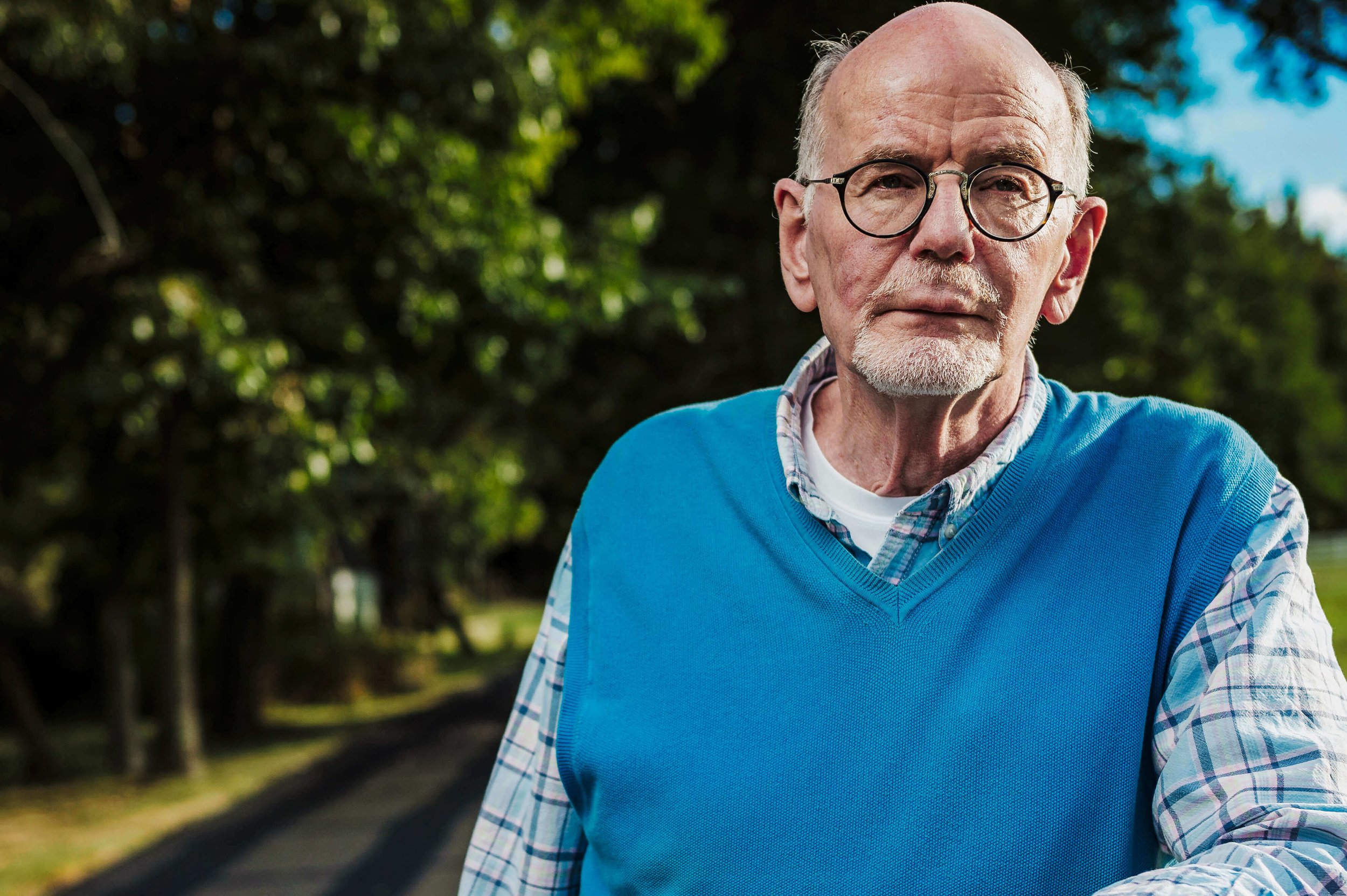
During his career, Larew guided US Government food security programs. His seventh collection of poems, This Much Very, was published by Alien Buddha in 2025. His poems have appeared in recent issues of Poetry South, Iowa Review, Poetry Scotland, and Contemporary American Voices, and have been nominated for several Pushcart awards and a Best of the Net award. He’s received support from arts groups and food banks as well as the United Nations and Feed the Children for his Poetry X Hunger, an initiative that is bringing a world of poets to the anti-hunger cause. And, he founded the Voices of Woodlawn, a powerful program of poetry, music and art that explores America’s tragic history and legacy of slavery. Larew serves as a Courtesy Faculty at five U. S. universities, is a former member of the Folger Shakespeare Library’s Poetry Board and has been popularly interviewed in magazines and on radio, social media and podcasts. He lives in Churchton, Maryland, USA.
www.HiramLarewPoetry.com and www.PoetryXHunger.com
Begin the Morning
by Laura Rodley
Inspired by the form Yang Style T’ai Chi Ch’uan
Grasping sparrow’s tail,
brush knee and twist step.
Carry tiger, return to the mountain.
White crane spreads wings,
needle at sea bottom.
Step up, grasp the sparrow’s tail.
High pat the horse.
Beat the tiger,
carry tiger, turn to the mountain.
Wild horse tosses mane.
Lower body like a coiling snake.
Repulse monkey, repulse monkey.
White crane spreads wings.
Wave hands like clouds.
High pat the horse,
step up to form the seven stars.
About Laura Rodley:
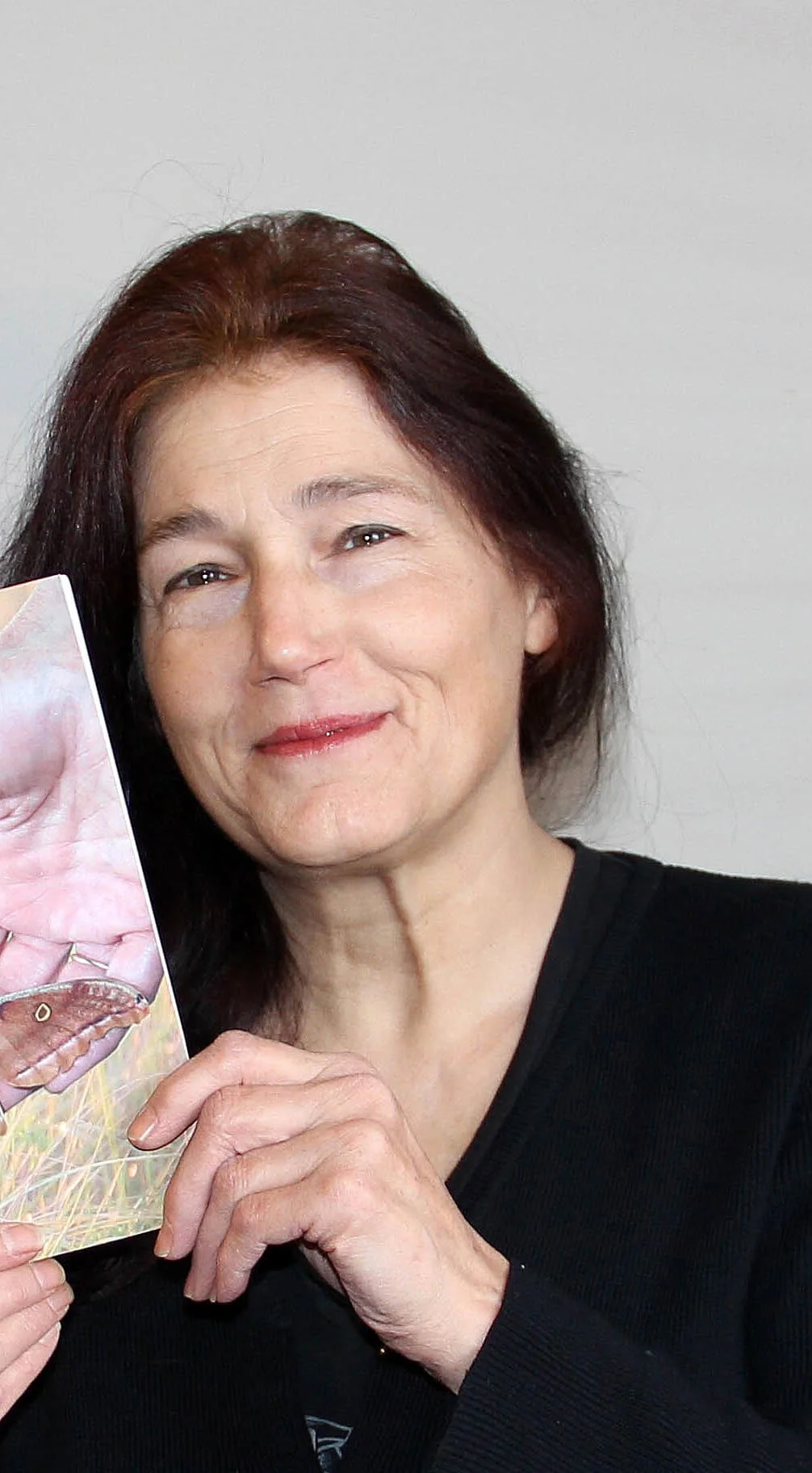
Pushcart Prize winner Laura Rodley's latest books are Turn Left at Normal by Big Table Press, Counter Point by Prolific Press, Finalist 2025 Legacy Book Awards, Ribbons and Moths Poems for Children winner 2025 International Book Awards, 2025 winner Bookfest Outdoors/ Adventure/ 2nd Technical, Photography, Book Cover, Bronze Moonbeam Book Award, IAN Book of the Year Finalist Nonfiction-Animal/ Pets/ Nature Category 2025.
About the Judge: CMarie Fuhrman
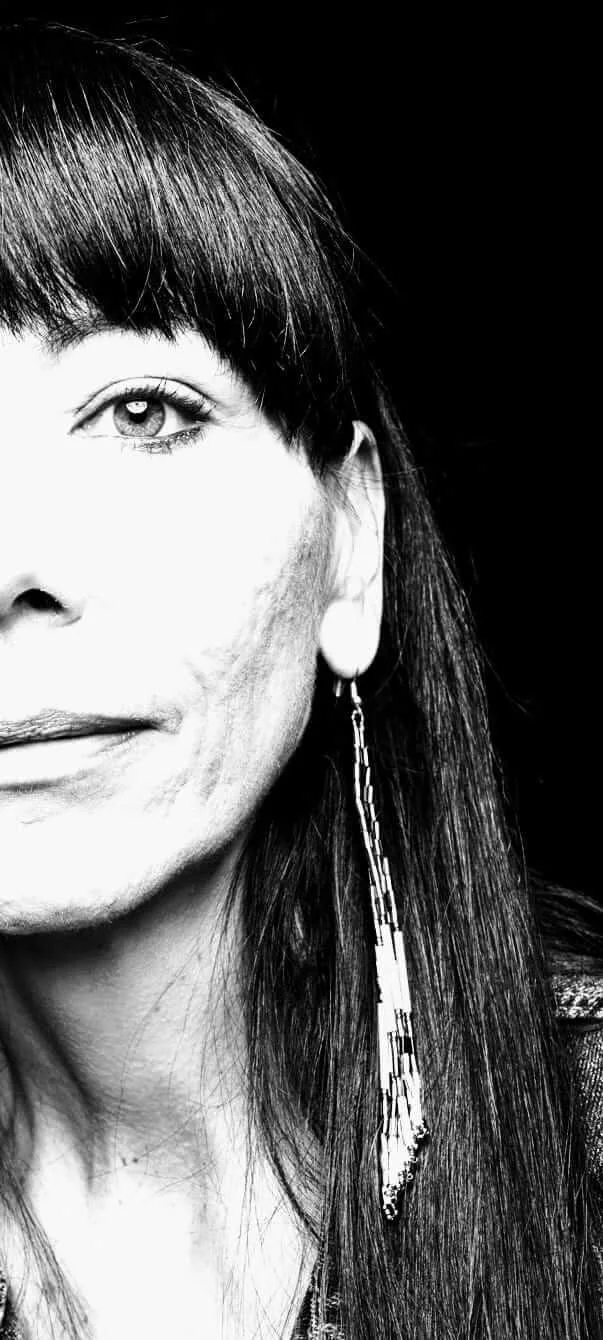
CMarie Fuhrman is an award-winning multi-genre writer and educator whose work serves as both a love letter to and an advocacy for the Western landscape. Born and raised in the shadow of the Rockies, she was introduced to wild places by parents who lived close to the land, instilling in her an early understanding of Ethical Interdependence. For over a decade, she has resided in the Salmon River Mountains of Idaho, a place that has become inherent to her identity and the heartbeat of her art.
CMarie’s writing often works at the seams of Indigenous understanding and Western experience, exploring where the destruction of the land and the erasure of Native women’s bodies are painfully mirrored. Through her poetry and her columns for The Inlander, she concerns herself with the persistence of Native issues and the shared vulnerabilities of beings and place.
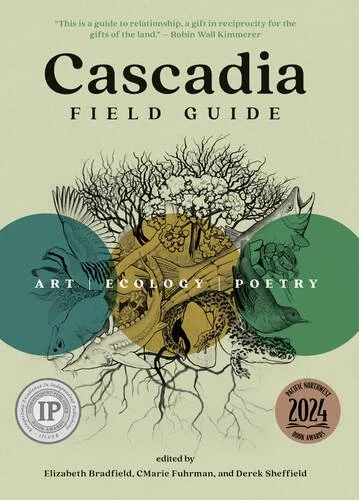
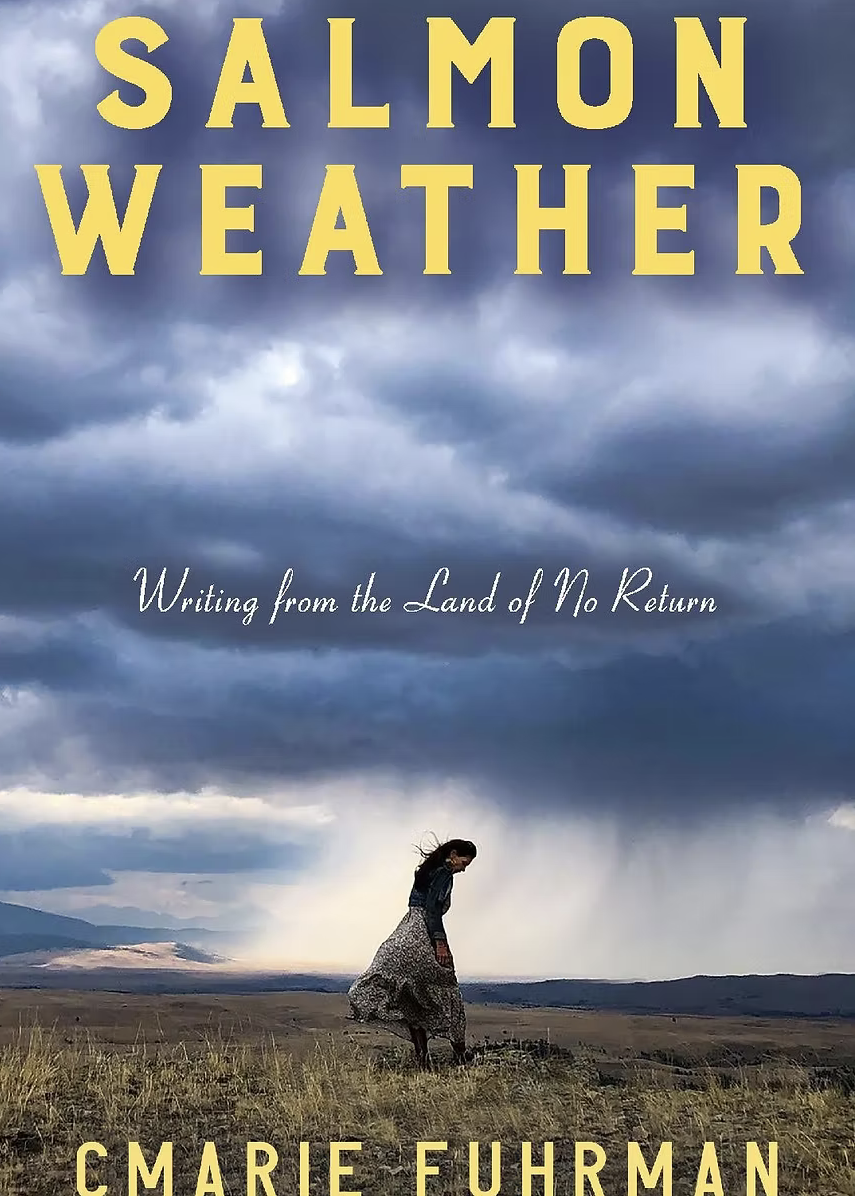
She is the author of the acclaimed Salmon Weather: Writing from the Land of No Return, as well as I Took You With Me: Collected Columns and the poetry chapbook Camped Beneath the Dam. She has co-edited two landmark, award-winning anthologies: Cascadia Field Guide: Art, Ecology, and Poetry and Native Voices: Indigenous Poetry, Craft, and Conversations. Her current creative work continues to explore the intersections of identity, including an eco-romance and her forthcoming memoir, Cowbird,which reflects on her journey as a bi-racial (Native and Eastern European) adoptee navigating the complexities of heritage and belonging.
Beyond the page, CMarie is the host of Terra Firma, a Colorado Public Radio program, and a former Idaho Writer in Residence. She is the founder of the Confluence Writing Community and the Director of the Elk River Writers Workshop, organizations dedicated to fostering the next generation of voices at the intersection of art and ecology. A seasonal fire lookout and a devoted advocate for wild rivers and grizzlies, she serves as the Associate Director and Poetry Concentration Director for the Graduate Program in Creative Writing at Western Colorado University where she is faculty for nature writing and poetry. Whether mending narratives or advocating for the land, CMarie’s work is a testament to the belief that our stories and the earth are one. https://www.cmariefuhrman.com/home-1

About the Process:
In 2026 we are excited to have collected 117 poems from 47 poets! Our 2026 judge CMarie Fuhrman reviewed all the poems (blind) and chose the winners.
For 2026, the cash prize, based on the # of submissions is $150 for the first place winner. Thank you to everyone who took part!
Submissions for 2027 will be open in March 2027—-see this page for future deadlines. Thank you!
Bonus Poems from our winning poets
Hand in Hand
by Hiram Larew
As any briers may do
I joy these winning vines --
Their scratch of birds or hedge’s twirl
Their thicket balm or weedy songs
That tangle me
With burrs that grin with bring alongs
And berming tufts of rise and get
That let and let
Me see
Yes my yes goes hand in hand
With trees and mud and sky
With briers before
Above the vines
As much and more
As certain wants to be
————————————————————————-
Summoned
by Laura Rodley
Her sister Ann answered the call,
had a stroke, her other sister
sleeping on the couch, tried to stall
Ann from getting up; flight response stirred,
Ann insisted, and fell, come at once, her
sister instructed ambulance,
placing pillows under her head, overseer,
knowing it was a stroke at a glance.
Thin walls, neighbor downstairs heard the tears,
the tumble; when ambulance arrived
gathered it was what she feared.
Through her window had watched Ann plant chives,
geraniums, kneel, press seeds, urge them alive.
In tiny plots by the doors Ann romanced
soil; by flowers folks flocked, friendships thrived.
Knowing it was a stroke at first glance.
Neighbors for over twenty years,
they’d met for brief daily chats
knew the ocean brought Ann most cheer:
the Cape, Maine, ocean mists, sand flats,
spent time discussing bureaucrats,
how Ann’s garden thrived, given a chance,
her favorite artist was Mary Cassatt,
knowing it was a stroke at first glance.
When Ann stopped planting seed flats
neighbor prayed that the spirits would grant
her peace, then her sister arrived bringing her cat,
knowing it was a stroke at first glance.
———————————————————————-
Hope, but Realistic
by erin feldman
On the northeast side of
Fitzgerald Lake there’s an intermittent
ice patch my ecologist
friend and I watch on our
weekly walk along the
water’s live edge.
This year nothing froze through.
Like everywhere else the
semi-solid surface of that ice patch
resisted dependability, predictability,
and reliability.
We never creaked or shivered in the -20° woods
lungs full up of stars, crowded with the memory of fires.
So to yearn for summer when winter
never held us hard enough to freeze
is to hope for the resurrection of Firefly
is to blame the beginning for this moment’s choices
is to utter the truths of our delusions
but not remember long enough to change.
Bask, though, because winter, spring,
summer, or fall
hope isn’t either vulnerability or walls
vying for the wheel.
Hope is a trout lily blooming because.
Because none of us matter
the way individualism says we do
(what a fucking relief)
but our petals shine, we spread our stigmas and stamens
wide out of the corm.
We will refuse to let wonder rot.
Borrowed From
by Hiram Larew
Who’s this branch that touches grass
Then lifts again for reaching towards
On fields brushed back --
A limb that tips towards earth
To borrow from
An outstretched friend
Who kisses down
As if the world was eager.
Who’s the branch that dips for noon
To pause love’s ways of going
Like days of shade --
This touch that strays
This down of up
This knowing.
———————————————————————
Caw: A Seasonal Gathering and Spectacle
by Joan Hofmann
Today, looking past tall grasses, up
to bare trees littered with hundreds of
bickering crows gathered to roost among
the branches for this freezing night,
I imagine a gentoo colony in Antarctica
where penguin dwellers decline
maybe due to reduced krill population.
You know, those crustaceans that thrive
under frozen sea ice but dropped off from
overfishing and warmed climate, so
now there’s but a third of the penguins
in some rookeries, waddling about on
peach-colored feet, orange billed and
white bellied. Nothing like the festival
in front of me, each crow maneuvering
its space, late-comers swooping in to
settle on the vein-like limbs so the trees
appear leafed in blackened plumage, first
a bubbled silhouette then blurring to sky
as the last of the sun rolls off to the west.
At once all goes dark, still, and quiet:
a withered silence of communal respire
to mute cawing beats, a thousand hearts.
————————————————————————-
An Ode to the Goddess of Upliftment
by erin feldman
Why was I never taught to
listen to the water? Never taught
the blessings to sing, and ceremonies to tend
this living earth that
suffers me to breathe and eat and live
centrifugally attached to her skin?
I don’t even drink enough water each day
never mind practice pilgrimage with the
clean pints I draw from my tap.
Little me had no direct instruction in breathing
or trance to shut the door on
the daily doubt and fear my mind
produces like bright, treacherous blossoms.
I wish I’d been drilled in the grammars
of ley line magic, and the vocabulary
of pelicans and whales. What I can say
in French won’t win me emancipation
from the magnetism of supremacy.
It’s my task now to parent
the all-season bouquet of myself—
to take the hand of each wild bloom
and poisonous vine dwelling inside me
and integrate them.
Seeking Perfection
by Laura Rodley
Seeking perfection, paw prints of squirrels,
exact as rollerblade tracks in white snow.
Sun seeks perfection too as it curls
itself in each spoonful of sheer white glow.
Its power casts house shadow on furls,
covers up perfection it seeks to sow,
squirrel line tracks disappear as swirls.
The mourning dove offers silhouette flow
but it’s not the same, trading partners’ twirl.
Offended, dove departs, from friend to foe,
soft breast feathers pink as fledgling minnows.
Dove lands, pecking seeds leaves snow in whirls
so much protecting feathers from arrows.
————————————————————————-
Onward
by Joan Hofmann
Exposed to fierce tides of mood
My body’s healing, then not.
Almost glimpse death in sunset.
My eyes are seeing, then not.
Clouded, with no stars shining
In them, the future’s coming clear.
I discern by difference in brightness
Hold to spongy light to navigate:
I call on dung beetle star power.
Can I too orient to galaxy light so
Bright, and move relative to it?
Not unlike Sisyphus I toil, push balls
To roll uphill. As Scarabaeus satyrus
Let me image sun, moon and stars,
Shake hands with stellar power, guide
By the glow of the Milky Way, picture
Constellated sky, and dance.
Note:
Researchers/scientists have found evidence that the tiny nocturnal dung beetle Scarabaeus satyrus navigates using the Milky Way, orienting to the galaxy’s light. The beetle’s dance on dung-balls is critical to its orientation.